By David Harding
 World Water Day helps raise awareness of a human right that is often forgotten and unappreciated: access to safe drinking water for all throughout the world. An abundant supply of clean water to drink is a daily expectation in America. We can turn a tap or push a fountain and we get all the water we can drink. Not so in a place like Ethiopia, where nearly 45 million people do not have access to safe drinking water. These are normally the poorest and most marginalized in society making less than $1 per day. Women haul water from contaminated sources for hours every day with no other options to consider. Family members constantly battle waterborne diseases. The weak and vulnerable die before they turn five years old. It doesn’t have to be this way.
CBF has supported the partnership-based Water is Life program that provides a pathway for anyone in America to help Ethiopians address their extreme conditions of poverty. The pathway honors the dignity and self-esteem of the people by providing opportunities for participation and builds responsibility. A typical approach is to drill a well fitted with a hand pump because shallow groundwater is available. However, before any drilling begins, an intentional process to engage the community and the government is followed. Every effort is made to avoid a handout-mentality that creates dependency and promotes laziness and irresponsibility.
A Water User Committee (WUC) is elected in each community after a feasibility study and government permission is granted. The WUC is comprised of four women and three men to give women a strong voice and position to manage the well. This usually includes charging a fee of about 50 cents for a five gallon jug of water. This fund is used to make necessary repairs to keep the pump operational. There is a lot of joy in the community when the pump is ready and productive. The people can expect a healthier life and time is returned to the women to do more productive things to help their families.
The Water is Life initiative is more than just constructing wells. Complementary to the water is the opportunity among the lowest socio-economic groupings for long-term transformation through Sustainable Living Groups (SLG). SLG’s are simple savings and credit associations which do not qualify to be part of a microfinance institution. They are groupings of the lowest economic tier in society with approximately 15 to 20 members from individual households representing more than 100 people as direct beneficiaries. Through the discipline of saving their own money, SLG’s learn about dignity, self-esteem and accountability. The dependency attitude is broken and initiative is taken to make loans that create business opportunities to generate income. The behavior and standard of living changes over the course of five to seven years is remarkable.
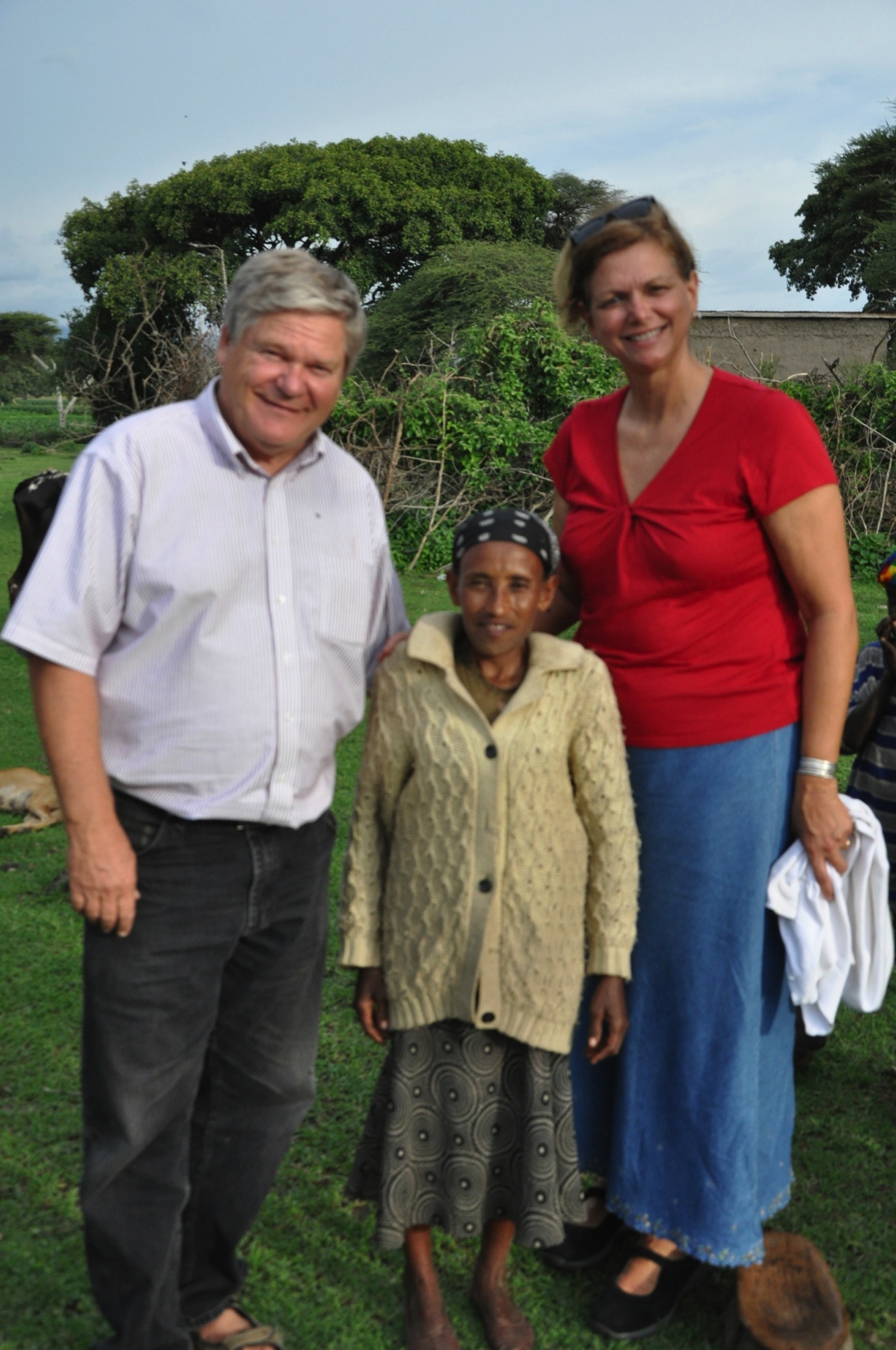
For example, Derartu is a middle-aged Ethiopian woman who has suffered from tuberculosis and general frailty. A well was constructed in her community and SLGs have been formed. Instead of begging, Derartu has taken the initiative to use the runoff water from pumping the well to irrigate a garden. She now has a surplus of papayas and peppers to sell in the market during the dry season at the best prices. She is a respected and responsible leader in her community.
It is easy to give up hope in the face of extreme poverty, but lives are being changed one life, one SLG, one village at a time through the efforts of Water is Life and a network of partners in Ethiopia. You can be a part of this ongoing transformation in offering hope. As the Psalmist says, “The river of God is full of water.” We can be part of distributing this abundance and love.
March 20 was World Water Day. CBF is celebrating this week through blog postings. Find out how you can help CBF field personnel David and Merrie Harding, and Water is Life International at www.thefellowship.info/harding.