The following post is contributed by Wanda Kidd, CBF and CBFNC’s Collegiate Ministry Coordinator. This past August at the Movement Leadership Team (MLT) meeting, those gathered were asked to write “One Sentence Sermons.” Wanda reflects on her sermon below.
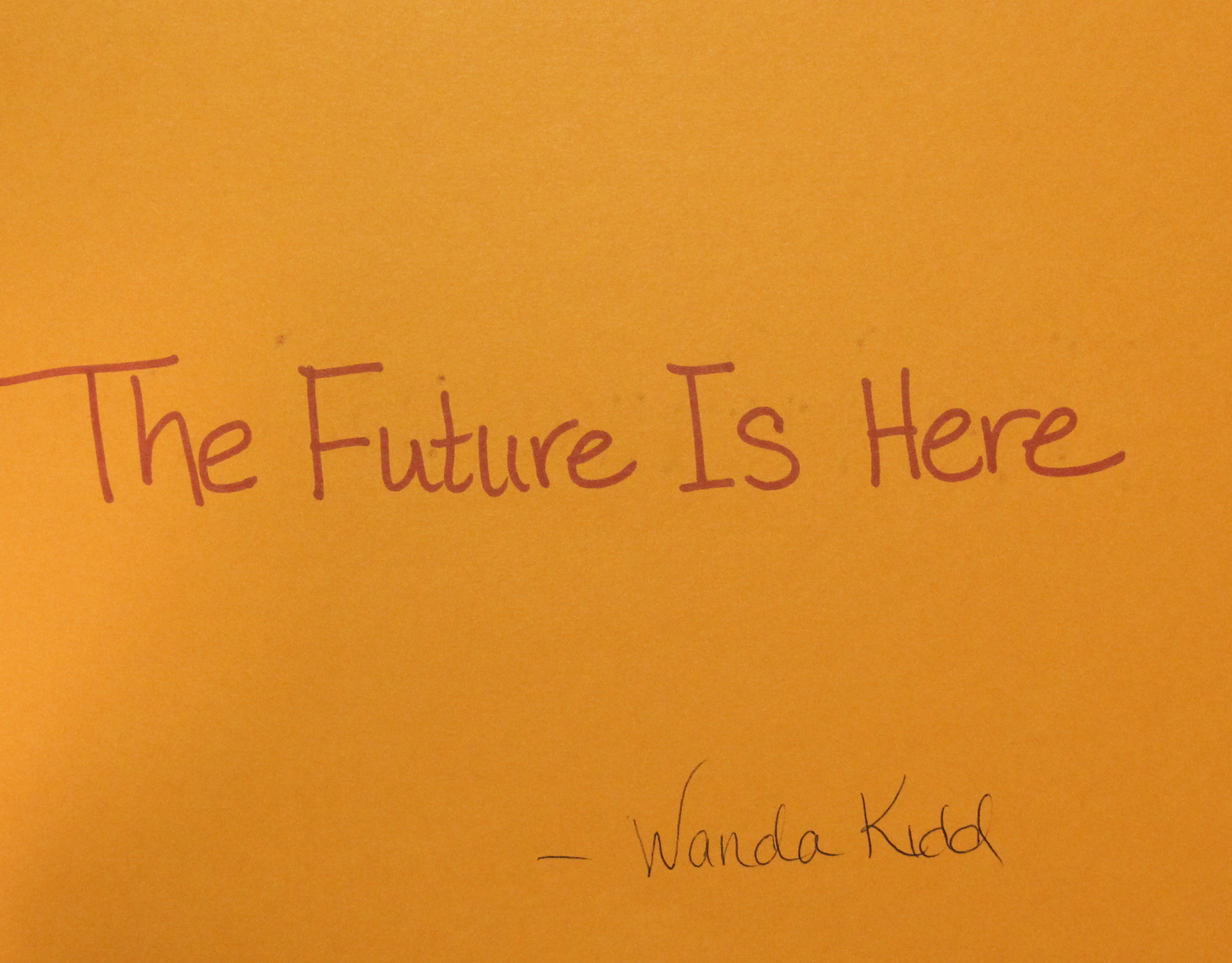 The future is here. What does that mean? I often talk to people who want the future to look very much like the past. We want young adults to support and maintain a culture that is familiar to us, but there is a reality that we need to be honest about. When the present young adults were children, we, both parents and grand parents, are the ones who told them they could be ANYTHING they wanted to be. We listened to all of their questions and included them in family decisions like where to go on vacations and where to live and what jobs we took. We bought them all types of cutting edge technology and then encouraged them to be the techies in our homes. We also took on their chores so that they could concentrate on their studies and be involved in a myriad of extracurricular activities. The two goals of parenting in our culture are that our children be happy and safe. Those are wonderful goals; goals I embraced for my children, but the results of our parenting have produced these young adults who frustrate many of us.
I think it is ironic that today we are annoyed when young adults want to move up the ladder in all areas of their lives faster than we think is prudent. We think they are patronizing about knowing more than we do about technology (because they usually do) and they seem lazy if they do not see the need to wash the dishes before they go to the gym.
In many ways, the young adults today are who we hoped they would be, especially if they were our own children. They are bright, ambitious, creative and confident. They challenge us to think about “Why” we do things rather than proceed with the ”How” of getting it done.
Like many people, I am concerned, but not surprised, that few young adults find their way into our mainline protestant churches, but the avenues to including them may not be as complicated as we have made it. It, however, is no less daunting or perilous. It always comes down to relationships: creating them, building them, and maintaining them with authenticity and intentionality.
Sometimes I wonder how many young adults most of us actually know beyond our own families. We have so many ideas about who they are and what they want rather than engaging in a non-utilitarian conversation with someone under the age of 35. I admit it is much easier to gather our opinions and ideas from sound bites and brushes with them in public arenas, but if we really want to know what they are thinking, we must know them. Goodness knows some will confound us; some will make us angry, some will challenge us and some will embrace us with honest appreciation for our investment. That is what a relationship looks like.
To move forward, we must ask them what are they passionate about and teach them how to engage their passion with the Christian gospel. WHEN do we invite them to use the gifts that we so desperately need in the church? WHEN do we understand that when they seem relationally challenged and self-absorbed, we are partially responsible for those traits in them?
To engage them, we must show them WHY we do what we do. WHO is Jesus and HOW has He impacted your life and HOW can they have their own relationship with Him? WHY should they invest in the church if not through Christ? WHY should they invest their time and money unless they know why and what we do in our communities of faith? Can we hear their callings and passions and join them on missions, as well.
To relate to them, WHO will learn their names when they wait on us at restaurants and in our worship services? WHO will invest in mentoring them so that they can see beyond their perspectives? WHO will hold them accountable because you care about them and not simply get angry when they live into our biases about them? WHO will take them out to eat and have a conversation? WHO will make them feel that we want them to join us for worship? How will they know that Christ loves them and we sincerely want them join us if we don’t tell them with words and actions?
HOW do we do this? We must not wait for “the right young adults” to come along. They are here and they want to be part of our lives and our families and our churches. We must love the ones with whom we have been blessed, because the FUTURE IS HERE.